
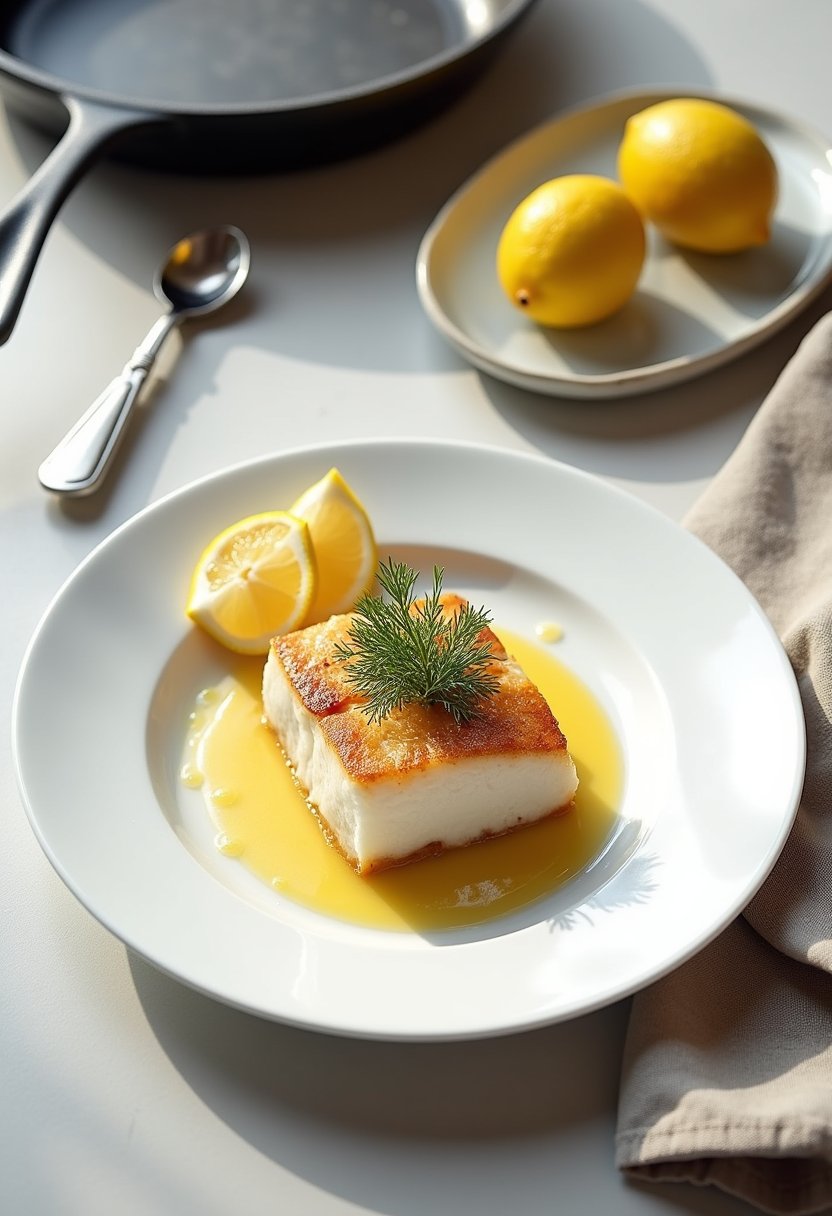
Picture this: a tender, succulent piece of Chilean sea bass that practically melts in your mouth, leaving behind a trail of rich, buttery flavor that dances across your taste buds like a well-rehearsed waltz. Welcome to the world of Ruth’s Chris Chilean Sea Bass—a dish that transforms an otherwise ordinary dinner into a culinary experience worthy of a standing ovation.
This dish is famous for its delicate, flaky texture and the perfectly balanced flavors of citrus and butter, which make it both luxurious and approachable. The sea bass, with its mild, sweet flavor, pairs beautifully with the creamy, luscious sauce, creating a harmony that even the most discerning palates will appreciate.
What makes this recipe particularly enticing is its deceptive simplicity. Despite its gourmet flair, it’s surprisingly easy to prepare—even for those who consider boiling water a challenge. With just 30 minutes of your time, a few quality ingredients, and a pinch of culinary courage, you can recreate this restaurant-quality dish right in your own kitchen.
So, gather your ingredients, preheat your oven, and get ready to impress your family and friends with a dish that not only looks and tastes exquisite but also brings a touch of elegance to your home dining experience.
Kitchen Gear You’ll Need
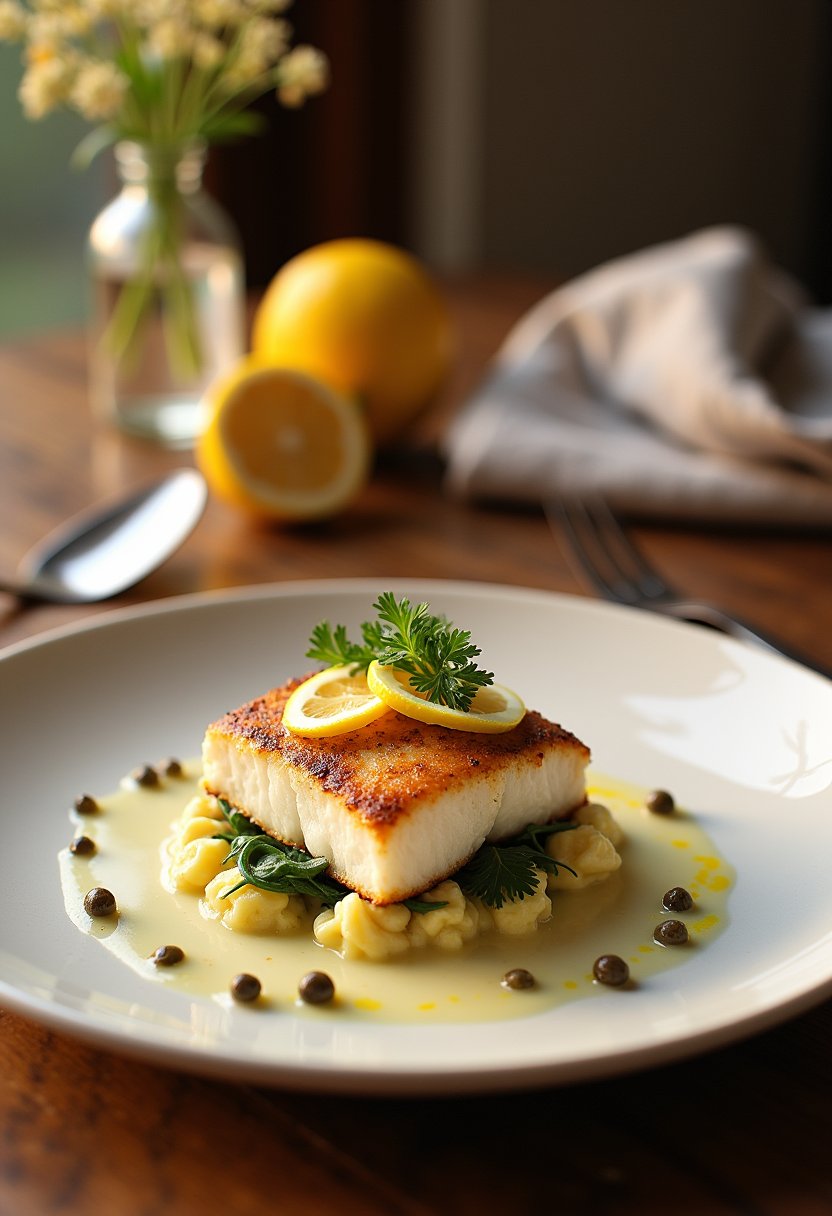
To bring the exquisite taste of Ruth’s Chris Chilean Sea Bass to your home, you’ll need a few trusty kitchen companions. First up, a non-stick skillet or cast iron pan—the kind that makes you feel like a culinary maestro as you sear that fillet to golden perfection. Ideally, it should be large enough to comfortably fit your sea bass without crowding; think around 30 cm (12 inches) in diameter.
Next, grab a fish spatula. This slender, flexible tool is essential for gently flipping your fish without it turning into a flaky mess. You’ll also need a fine grater or zester for grating that lemon, because nothing beats the zesty punch of freshly grated citrus!
For those who love precision, a kitchen thermometer is invaluable. Aim for an internal temperature of 62°C (145°F) to ensure your sea bass is cooked to tender, juicy perfection. Finally, don’t forget a sturdy cutting board and a sharp chef’s knife for prepping your aromatic companions, like shallots and garlic. Bon appétit!
Ingredients
For this exquisite Ruth’s Chris-inspired Chilean Sea Bass recipe, we will be diving into a sea of flavors that are as luxurious as they are simple to achieve. The key to this dish is sourcing the best quality ingredients, starting with the star of the show.
- Chilean Sea Bass Fillets: 4 fillets, about 170 grams (6 ounces) each. Look for fillets that are thick and firm, with a bright white color. Your local fishmonger is the best place to find the freshest catch.
- Unsalted Butter: 60 grams (4 tablespoons). This will add a rich, silky texture to the sauce. If you’re feeling indulgent, European-style butter offers an extra touch of creaminess.
- Olive Oil: 30 milliliters (2 tablespoons). Opt for a good-quality extra virgin olive oil, which will lend a fruity aroma to the dish.
- Fresh Lemon Juice: 30 milliliters (2 tablespoons), plus extra wedges for serving. Freshly squeezed is a must here—nothing beats the zing and brightness it brings.
- White Wine: 60 milliliters (¼ cup). Choose a dry white like Sauvignon Blanc or Pinot Grigio. Remember, if you wouldn’t drink it, don’t cook with it!
- Garlic: 2 cloves, finely minced. Fresh garlic is preferable for that punchy flavor.
- Capers: 30 grams (2 tablespoons), drained. These little briny gems add a delightful tanginess.
- Salt and Black Pepper: To taste. Coarse sea salt and freshly cracked black pepper will enhance the natural flavors of the fish.
- Fresh Parsley: A handful, finely chopped. This herb adds a pop of color and a hint of freshness.
This recipe respects the simplicity and elegance of the original while allowing room for personal touches, like a sprinkle of your favorite herbs or a dash of chili flakes for heat lovers. Enjoy the culinary journey, and prepare to impress your dinner guests!
Step-by-Step Instructions
- Gather Your Ingredients and Equipment
Start by assembling everything you’ll need: 4 Chilean sea bass fillets (approximately 170g or 6 oz each), salt, freshly ground black pepper, 2 tablespoons (30 ml) of olive oil, and a lemon for zest and juice. You’ll also need a heavy-bottomed skillet or cast-iron pan, a fish spatula, and an oven preheated to 204°C (400°F). If you don’t have olive oil, grapeseed oil is a fine substitute for its high smoke point. - Season the Sea Bass
Lay out the sea bass fillets on a clean surface. Pat them dry with paper towels—this is crucial for achieving that beautiful golden sear. Generously season both sides with salt and pepper. The skin side should receive a little extra attention, as it will be the first to hit the pan. - Heat the Skillet
Place your skillet over medium-high heat and let it warm up for about 3 minutes. Add the olive oil and watch as it shimmers, indicating it’s ready. A quick tip: if you flick a tiny drop of water into the pan and it dances, you’re good to go. - Sear the Fillets
Gently place the sea bass fillets in the skillet, skin-side down. You should hear a satisfying sizzle. Press each fillet lightly with a spatula to ensure even contact with the pan. Let them sear undisturbed for about 4-5 minutes, or until the skin is crispy and golden brown. The aroma at this point should be nutty and inviting. - Flip and Finish in the Oven
Carefully flip the fillets using a fish spatula—this tool is your best friend for delicate fish. Transfer the skillet to your preheated oven. Roast for 5-7 minutes, depending on thickness. To check for doneness, insert a fork into the thickest part; it should flake easily. The internal temperature should reach 60°C (140°F) for safe consumption. - Prepare the Lemon Zest and Juice
While your fish is finishing, zest your lemon and then juice it. The zest adds a punchy brightness, while the juice will bring a refreshing acidity to the dish. - Finish and Serve
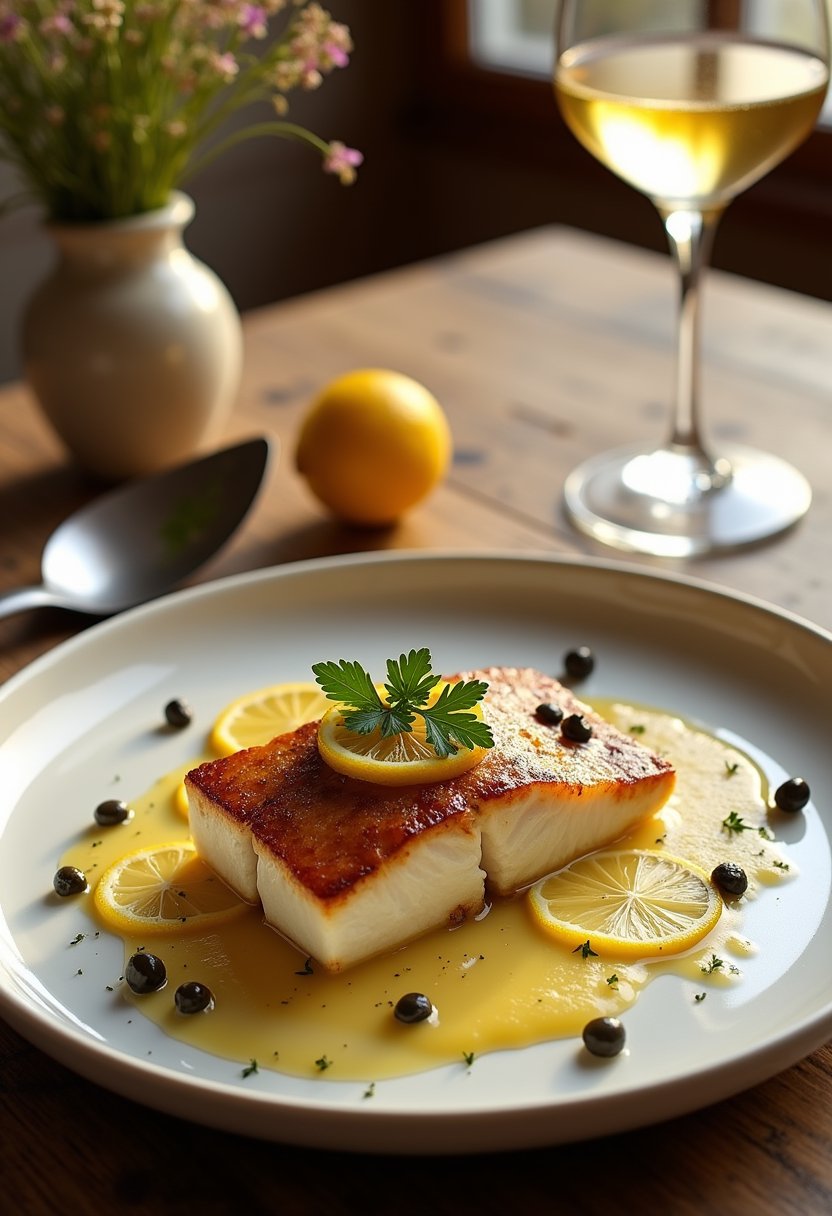
Once the sea bass is done, remove the skillet from the oven (don’t forget your oven mitts!) and transfer the fillets to a serving plate. Sprinkle the lemon zest over the fish and drizzle with a bit of lemon juice. Serve immediately, perhaps with a side of roasted asparagus or a fresh salad.
With these steps, you’re not just cooking; you’re creating a culinary experience reminiscent of dining at Ruth’s Chris. Enjoy the delicate, buttery flavor of the sea bass, perfectly balanced with the zesty lemon. Bon appétit!
Tweaks and Additions
If you’re looking to put your own spin on Ruth’s Chris Chilean Sea Bass, or adapt it for specific dietary needs, here are a few delightful tweaks and additions.
- Citrus Zest Zing: Add a teaspoon of freshly grated lemon or lime zest to the buttery sauce. This not only enhances the dish with a refreshing tang but also complements the rich, flaky fish beautifully. No need to adjust the cooking time—just mix it into the sauce before drizzling over the bass.
- Herbaceous Twist: Incorporate a handful of finely chopped fresh herbs such as dill, parsley, or basil into the sauce. This adds a vibrant, garden-fresh touch and a pop of color. Introduce the herbs just before serving to preserve their bright flavor.
- Garlic Lover’s Delight: For those who can’t get enough of garlic, sauté 2 cloves of minced garlic in the butter before adding the fish to the pan. This will infuse the dish with a robust aroma and deeper flavor. Be cautious not to burn the garlic—golden is the goal.
- Spicy Kick: If you fancy a bit of heat, a pinch of red pepper flakes or a dash of cayenne can elevate the sea bass to a spicy new level. Add this to the sauce for a subtle background heat that doesn’t overpower the delicate fish.
- Gluten-Free Option: Substitute the usual flour-based sauce thickener with cornstarch or a gluten-free blend. The result? A silky, gluten-free sauce that’s just as luscious without any compromise on texture or taste.
Each of these adjustments brings its own personality to the table, ensuring your Chilean sea bass experience is both personalized and unforgettable.
Serving Suggestions
When your Chilean Sea Bass emerges from the oven, golden and glistening, it’s time to think about the perfect accompaniments to elevate this dish into a restaurant-quality experience at home.
For a vibrant and refreshing contrast, consider serving it with a simple citrus salad. The zing of lemon or orange segments will beautifully complement the buttery richness of the fish. Toss in some arugula or spinach for a peppery bite, and finish with a light drizzle of olive oil.
If you’re in the mood for something heartier, a silky cauliflower purée or creamy risotto can do wonders. Both offer a luscious texture that pairs seamlessly with the delicate flakiness of the sea bass.
Don’t forget a crisp white wine, like a chilled Sauvignon Blanc or Chardonnay, to enhance the flavors on your plate. Finally, a sprinkle of fresh herbs—think dill or parsley—adds a pop of color and a fragrant finish to this stunning meal. Bon appétit!
Troubleshooting Common Issues
Dealing with Overcooked Sea Bass
One common hiccup is overcooking the sea bass, transforming its delicate, buttery texture into something akin to a rubber sole. To avoid this, keep an eagle eye on your oven timer. The sea bass should be cooked to an internal temperature of about 60°C (140°F). Use a meat thermometer for precision because, let’s face it, guessing games and seafood don’t mix.
Handling a Soggy Skin
If your sea bass skin isn’t crispy, it might be due to excess moisture. Before cooking, pat the skin dry with paper towels. You can even sprinkle a tiny bit of salt to draw out moisture further. Remember, a hot pan is your friend—think of it as a sauna session for your fish skin, not a leisurely bubble bath.
Troubleshooting Flavor Imbalances
Is your sea bass tasting a tad too fishy or bland? A squeeze of fresh lemon juice post-cooking can work wonders, adding brightness and balance. For those who accidentally went heavy-handed with the salt, a quick fix is to serve with a side of unsalted, creamy mashed potatoes or a fresh salad to balance the flavors.
Fixing Sauce Consistency
Struggling with a sauce that’s more like water than silk? If your sauce is too thin, return it to the stove and reduce it over medium heat. Stir occasionally until it thickens. If it’s too thick, a splash of chicken broth or a dash of white wine can bring it back to the desired consistency, adding a depth of flavor as a bonus.
Avoiding Sticky Situations
If your sea bass is stubbornly sticking to the pan, it might be too early to flip. Wait until the skin naturally releases itself—patience, my friend, is key to achieving that professional sear. Remember, a well-heated, lightly oiled pan is essential for this dance of flavors and textures.
Frequently Asked Questions
Can I substitute Chilean sea bass with another type of fish?
Absolutely! While Chilean sea bass is the star of the show with its buttery texture and mild flavor, you can substitute it with other white-fleshed fish like halibut, cod, or grouper if you’re unable to find it. Just remember that cooking times may vary slightly, as these alternatives might have varying thicknesses. Check for doneness by ensuring the fish flakes easily with a fork.
What’s the best way to avoid overcooking the fish?
Overcooking seafood is a common culinary tragedy, but fear not! Keep a keen eye on the internal temperature, aiming for 60°C (140°F). A nifty trick is the “10-minute rule”: cook fish for 10 minutes per inch of thickness, flipping halfway through. Use a meat thermometer if you’re unsure, and remember, the fish continues to cook a bit even after being removed from heat.
Can I prepare the sauce ahead of time?
Yes, indeed! Feel free to prepare the sauce a day in advance. Store it in an airtight container in the fridge, and simply reheat it gently on the stove over low heat while stirring occasionally before serving. This not only saves time but also allows the flavors to meld beautifully.
How should I store leftovers, and how long will they keep?
If you find yourself with leftover sea bass (lucky you!), allow it to cool completely before storing. Keep it in an airtight container in the refrigerator for up to three days. For maintaining flavor and texture, avoid freezing, as the delicate flesh tends to become mushy upon thawing.
What’s the best way to reheat Chilean sea bass?
Reheating fish while preserving its delicate texture is an art. Warm it up gently in a preheated oven at 150°C (300°F) for about 10 minutes, or until it’s heated through. Cover it loosely with foil to prevent drying out, and avoid using the microwave, which can turn your fish into a rubbery mess.
Final Thoughts
As you savor each tender, buttery bite of your homemade Chilean Sea Bass, you’ll appreciate the magic that happens when simplicity meets quality. The rich, melt-in-your-mouth texture paired with the subtly sweet glaze creates a symphony of flavors that is nothing short of sublime. Whether it’s a romantic dinner for two or an elegant gathering with friends, this dish is sure to impress.
Remember, the secret to mastering this recipe lies in the details: fresh ingredients, precise cooking times, and a touch of patience. The fish’s delicate nature means it’s crucial to avoid overcooking, so keep a watchful eye and a trusty thermometer at hand—the target is a perfect 130°F (54°C) at the center.
Feel free to personalize your dish with complementary sides, like a zesty lemon risotto or crisp asparagus. With a little practice, you’ll find that this recipe not only brings the taste of a high-end steakhouse to your kitchen but also makes you the star chef of the evening. Enjoy!


Leave a Reply