

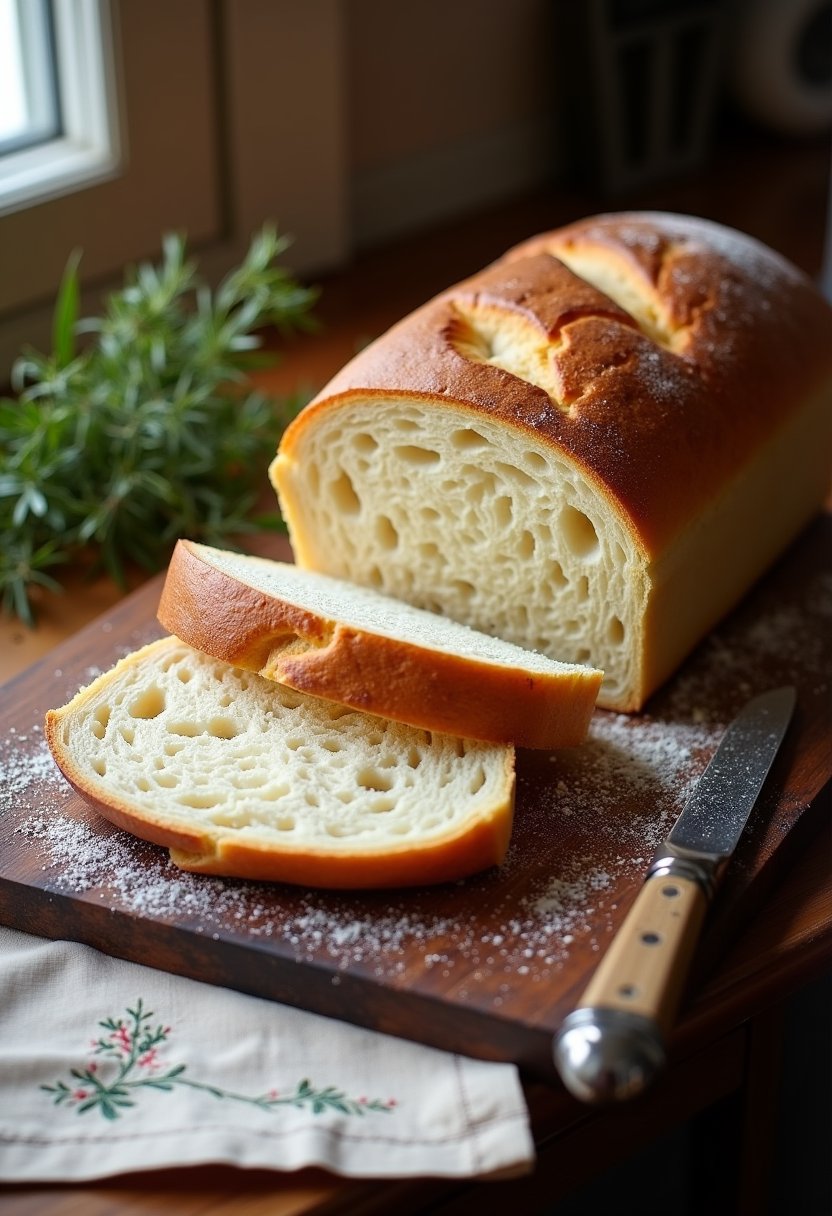
When the aroma of freshly baked Leidenheimer French Bread wafts through your kitchen, you might just find yourself transported to a bustling bakery in New Orleans, where this iconic bread is as celebrated as jazz on Bourbon Street. Known for its crisp, thin crust and delightfully airy interior, Leidenheimer French Bread is the unsung hero of po’ boy sandwiches, but it deserves a starring role on your table.
Imagine biting into a loaf that’s beautifully golden on the outside, with a whisper of sweetness and a faint, yeasty aroma that dances around your senses. It’s the kind of bread that makes you want to tear off a piece and savor it plain, just to appreciate its subtle complexity.
Why should you make it at home, you ask? Well, besides the bragging rights, homemade Leidenheimer-style bread offers unparalleled freshness and a connection to the culinary traditions of Louisiana. It’s a surprisingly accessible recipe, perfect for those who are just dipping their toes into the world of bread-making. With about three hours of your time, including rising and baking, you’ll craft a loaf that’s sure to impress both family and friends. So, dust off that apron and prepare for a baking adventure that’s as rewarding as it is delicious!
The Story Behind This Recipe
Once upon a time in the bustling streets of New Orleans, where jazz melodies float through the air like sweet beignets dusted in powdered sugar, a bread legend was born. The year was 1896, a time when the Crescent City was a melting pot of cultures and flavors. George Leidenheimer, a German immigrant with a knack for baking, arrived with a dream to introduce a taste of Europe to the heart of Louisiana. Little did he know, he would end up kneading his way into the very essence of New Orleans cuisine with his now-famous Leidenheimer French Bread.
George Leidenheimer didn’t just bring his baking skills to the Big Easy; he brought a slice of European tradition wrapped in an American dream. His bread was a beautiful contradiction: a crispy crust with an airy, pillowy interior that could cradle po’boy fillings as effortlessly as a hammock sways beneath a lazy bayou breeze.
The secret to Leidenheimer’s success was his adaptation to the local palette, while staying true to the principles of French bread-making. He understood that the humid climate of New Orleans required tweaks to the traditional French recipe, ensuring the bread remained fresh and delicious despite the sweltering heat. This tailored approach made his bakery a cornerstone of the community, with locals flocking to get their daily bread fix.
As the years rolled by, Leidenheimer French Bread became synonymous with New Orleans itself. It graced tables at family dinners, jazz brunches, and late-night feasts. The bread was a testament to the city’s resilience and adaptability, much like its people. Today, it remains an integral part of New Orleans culture—a culinary icon that links past to present, dough to delight. So, when you bite into a po’boy nestled in Leidenheimer French Bread, you’re not just tasting a sandwich; you’re savoring a slice of history.
Ingredients
For the dough:
- 500 g (4 cups) bread flour: Opt for high-protein bread flour to achieve that perfect chewy texture. If you can’t find bread flour, all-purpose flour will do in a pinch, though it might not yield the same structure.
- 300 ml (1 1/4 cups) warm water: Aim for between 38-43°C (100-110°F) to activate the yeast without scorching it.
- 7 g (2 1/4 teaspoons) active dry yeast: This is approximately one packet if you’re using the store-bought kind. For those who enjoy a more nuanced flavor, consider swapping for instant yeast but reduce the quantity to 6 g (2 teaspoons).
- 10 g (2 teaspoons) salt: Use fine sea salt for a more even distribution.
- 5 g (1 teaspoon) sugar: Just a touch to feed the yeast and help it bloom.
- 15 ml (1 tablespoon) olive oil: A small amount of fat adds softness to the crumb and enhances the flavor. You could substitute with melted butter for a richer taste.
For the crust:
- 50 ml (1/4 cup) water: This is for creating steam in the oven, essential for that classic Leidenheimer crust.
- Additional flour for dusting: Have a little extra on hand to dust your work surface and hands, preventing the dough from sticking while kneading.
Seek out these ingredients at a local farmer’s market for the freshest finds—or your favorite grocery store will do just fine. Prepare to embark on a delightful baking adventure that will have your kitchen smelling like a boulangerie in no time!

Step-by-Step Instructions
- Gather Your Ingredients and Equipment
Begin by assembling your ingredients: 500g (3 3/4 cups) of bread flour, 10g (1 1/2 teaspoons) of salt, 10g (2 1/4 teaspoons) of active dry yeast, and 350ml (1 1/2 cups) of warm water (about 110°F/43°C). You’ll also need a large mixing bowl, a dough scraper, a baking sheet, and parchment paper. If you have a stand mixer, it will be your best friend today, but a strong arm and a wooden spoon will do the trick too. - Activate the Yeast
In a small bowl, combine the warm water and yeast. Stir gently and let it sit for about 5-10 minutes until it becomes frothy. This bubbly action signals that your yeast is alive and kicking, ready to work its magic on the dough. - Mix the Dough
In your large mixing bowl, combine the flour and salt. Make a well in the center and pour in the yeast mixture. If you’re using a stand mixer, attach the dough hook and mix on low speed until a sticky dough forms. No stand mixer? No problem! Use a wooden spoon to mix until you have a shaggy dough, then get in there with your hands. - Knead the Dough
Turn the dough out onto a floured surface. Knead for about 8-10 minutes if by hand, or 5 minutes in the stand mixer at medium speed. The dough should be smooth and elastic, bouncing back when poked gently. - First Rise
Place the dough in a lightly oiled bowl, turning it to coat. Cover with a damp cloth or plastic wrap and let it rise in a warm, draft-free spot for about 1 hour, or until doubled in size. Patience is key here; the dough should be puffy and soft to the touch. - Shape the Loaves
Once risen, gently deflate the dough and divide it into two equal portions. Shape each into a log, about 30cm (12 inches) long, tapering the ends slightly. Place them on a parchment-lined baking sheet, leaving plenty of room for expansion. - Second Rise
Cover the loaves with a damp cloth and let them rise again for 45 minutes to 1 hour, until nearly doubled. Meanwhile, preheat your oven to 450°F (230°C), placing a shallow pan of water on the lowest rack to create steam. - Slash and Bake
With a sharp knife or lame, make three diagonal slashes on each loaf, about 0.5cm (1/4 inch) deep. This helps the bread expand properly. Bake for 20-25 minutes, until the loaves are golden brown and sound hollow when tapped on the bottom. - Cool and Enjoy
Transfer the loaves to a wire rack to cool completely. Resist the urge to slice them while hot—allowing them to cool enhances their flavor and texture. Once cooled, slice and savor with a spread of butter or dip into your favorite soup. Bon appétit!
Tweaks and Additions
Looking to add your own twist to the classic Leidenheimer French Bread? Here are some delightful tweaks and additions that can transform this traditional loaf into something uniquely yours.
1. Herb-Infused Delight
Add a fragrant touch by mixing in 2 tablespoons (6 g) of finely chopped fresh herbs like rosemary, thyme, or basil into the dough. This will infuse your bread with a garden-fresh aroma that will make your kitchen smell like a Mediterranean bakery. No need to alter the baking time; just be sure to fold the herbs evenly into the dough during the kneading process.
2. Whole Wheat Swap
For a healthier take, substitute half of the all-purpose flour with whole wheat flour. This will give your bread a nuttier flavor and a denser, heartier texture. You might need to add an extra splash (about 2 tablespoons or 30 ml) of water to compensate for the whole wheat’s thirstier nature. Expect a slightly longer rise time, as whole wheat dough can be a bit more stubborn.
3. Gluten-Free Goodness
Transform your bread into a gluten-free marvel by using a 1:1 gluten-free flour blend. The texture will be softer and a bit more crumbly, but still delicious. Add 1 teaspoon (5 g) of xanthan gum to help with structure, and keep an eye on the bake time; gluten-free bread can often brown faster, so check for doneness a few minutes early.
4. Cheesy Twist
Fold in 1 cup (100 g) of shredded cheese such as cheddar or gruyère for a rich, savory bread that’s hard to resist. The cheese will melt into pockets of gooey goodness, adding a delightful surprise in every bite. You might notice a slightly shorter baking time, as the cheese will encourage a faster browning.
5. Sweet Cinnamon Burst
For a sweet variation, sprinkle 2 tablespoons (25 g) of cinnamon sugar over the dough before rolling it into its final shape. This will create a swirl of sweetness reminiscent of a cinnamon roll, perfect for breakfast or snacking. No changes to baking time are needed, but your house will smell like a bakery dream!
Serving Suggestions
Fresh out of the oven, Leidenheimer French Bread is a symphony of crusty brilliance and soft, pillowy interior that yearns for creative pairing. This New Orleans classic, with its crisp exterior and airy crumb, is the perfect canvas for a variety of culinary delights.
Try slicing it thickly, giving it a hearty brush of garlic-infused olive oil, and then grilling it to golden perfection. Voilà – you’ve got the ultimate base for bruschetta or a smoky charred bread to accompany a robust gumbo or creamy crawfish étouffée.
For a lighter touch, consider slathering slices with a generous smear of butter and a sprinkle of sea salt, letting the simplicity speak for itself. Or, transform your bread into a delightful dessert by dipping it in an eggy custard and frying it into a decadent French toast. Top with fresh berries and a drizzle of honey, and you’ll have a breakfast that sings the sweet tunes of the Crescent City.
Troubleshooting Common Issues
Ah, the Leidenheimer French Bread—a crusty, golden slice of heaven. But let’s face it, even the most heavenly recipes can sometimes wander into the realm of the imperfect. Here’s how to troubleshoot some common issues you might encounter when baking this classic loaf.
Problem: Dense Bread
If your bread feels more like a brick than a cloud, the culprit usually lies in the yeast. Make sure your yeast is fresh—those little granules can lose their mojo over time. To test, dissolve a teaspoon of yeast in warm water (about 38°C or 100°F) with a pinch of sugar. If it doesn’t foam like a cappuccino in 10 minutes, it’s time to say goodbye. Also, ensure you’re kneading long enough; you want that dough to be smooth and elastic. If you’re feeling a bit lazy, a stand mixer can be your best friend here.
Problem: Crust Too Hard
A crust that could chip a tooth might be due to baking it too long or at too high a temperature. Make sure you’re sticking to the prescribed 220°C (425°F). A gentle misting of water in the oven before baking can also help create a perfectly crisp yet tender crust.
Problem: Bread Doesn’t Rise
This might be due to a cold kitchen. Bread likes warmth, so find a cozy corner or preheat your oven to its lowest setting, turn it off, and let the dough rest in there with the door slightly ajar.
Remember, bread baking is both art and science. A little patience and practice will have you mastering Leidenheimer loaves in no time!

Frequently Asked Questions
What makes Leidenheimer French Bread unique compared to other French bread?
Leidenheimer French Bread is renowned for its light, airy interior and incredibly crisp crust. The secret lies in its high hydration dough, which allows the bread to develop those signature large air pockets and a crust that crackles perfectly when bitten into. It’s like a symphony in your mouth, where every bite plays its own note.
Can I make the dough ahead of time?
Absolutely! You can prepare the dough a day in advance and let it rise slowly in the refrigerator. This slow fermentation process enhances the flavor by giving the yeast more time to work its magic. Just remember to bring the dough to room temperature before baking, ideally letting it sit for about an hour after removing it from the fridge.
Why is my bread not rising properly?
If your bread isn’t rising as expected, check the yeast’s expiration date first. Fresh yeast is crucial for a good rise. Additionally, ensure your water is between 105-110°F (40-43°C) when activating the yeast. Too hot, and you risk killing the yeast; too cold, and it won’t activate properly. A cozy, draft-free area for rising is also ideal.
How should I store the bread to maintain its freshness?
Leidenheimer French Bread is best enjoyed fresh, but if you need to store it, wrap it in a paper bag to maintain its crusty exterior. Keep it at room temperature for up to two days. For longer storage, freeze the loaf in a plastic bag, removing as much air as possible. Thaw at room temperature to enjoy later.
What’s the best way to reheat the bread?
To regain that delightful crust, preheat your oven to 350°F (175°C). Place the bread directly on the oven rack and heat for about 10 minutes. Avoid microwaving, as it will make the bread chewy and lose its crisp charm. If you’re in a hurry, a quick toast in the oven or toaster will also do the trick!
Final Thoughts
As you pull your Leidenheimer French Bread from the oven, let the aroma transport you straight to the bustling streets of New Orleans. This bread, with its perfectly golden crust and soft, airy crumb, is a testament to the simple pleasures of life. Whether you’re slicing it for a po’ boy or simply slathering it with butter, each bite offers a delightful crunch followed by a melt-in-your-mouth tenderness.
Baking this bread at home might seem daunting at first, but remember, even the best bakers started with a little flour on their shoes and dough under their fingernails. With practice, patience, and a touch of humor when things don’t go precisely as planned, you’ll soon find yourself mastering this iconic loaf. Enjoy the process, relish the results, and don’t forget to share your homemade masterpiece with friends and family—they’ll be clamoring for the secret to your newfound bread-baking prowess!


Leave a Reply