

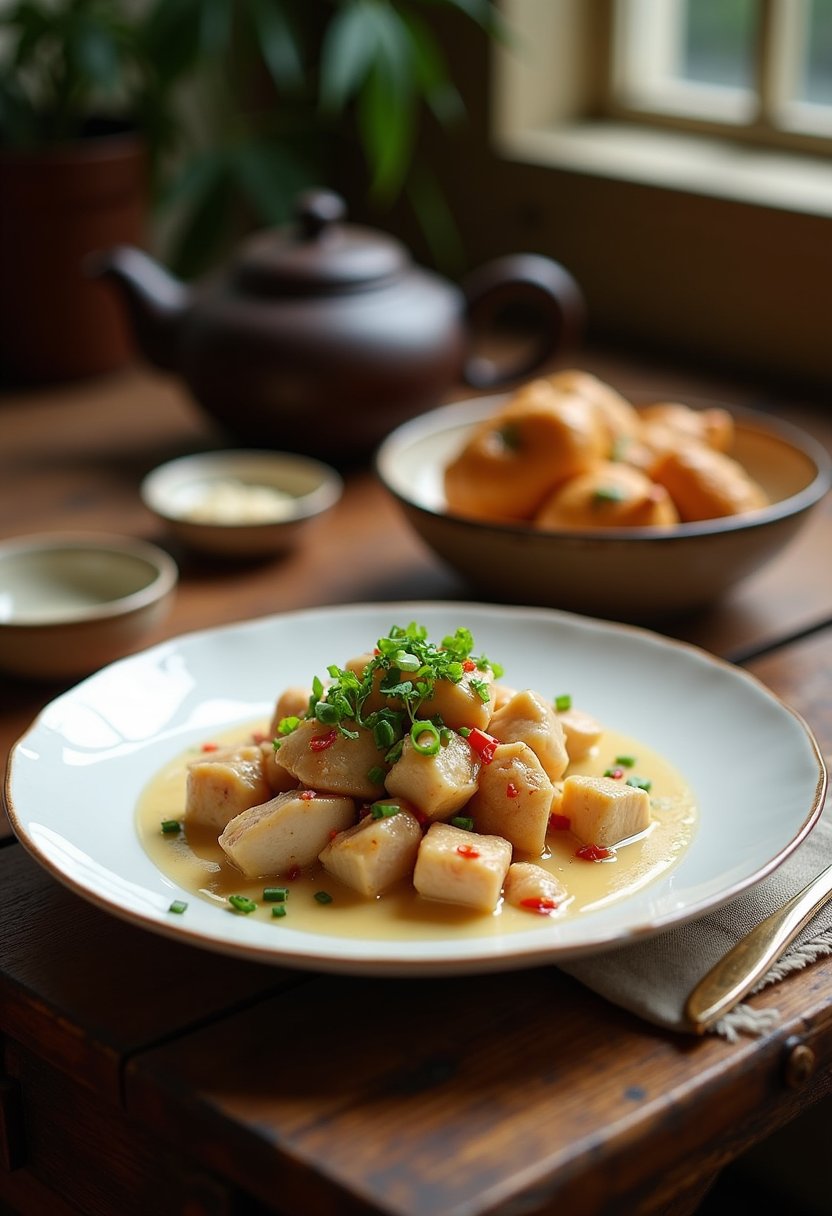
Imagine sitting at a cozy table in a bustling Chinese eatery, the aroma of sizzling dishes wafting through the air, when suddenly, a plate of creamy, fragrant Chinese Coconut Chicken is placed before you. This dish, a symphony of tender chicken pieces bathed in a luscious coconut sauce, is nothing short of a culinary masterpiece. The silky sauce combines the natural sweetness of coconut milk with a hint of ginger and garlic, offering a delicate balance that dances on your taste buds.
What makes this recipe so appealing is its simplicity and the way it brings comfort to your bowl with every bite—perfect for those evenings when you crave something exotically satisfying yet easy enough to whip up without breaking a sweat. It’s a one-pan wonder that marries sweet and savory with effortless grace.
For those concerned about time and expertise, fear not! This recipe is wonderfully accessible, with a preparation time of about 30 minutes and minimal culinary acrobatics required. Whether you’re a seasoned home cook or a kitchen newbie, you’ll find this dish a breeze to prepare. So, why not give it a whirl and bring a touch of the Orient right to your dining table?

The Story Behind This Recipe
In the vast and vibrant tapestry of Chinese cuisine, where every dish tells a story as rich as its flavors, the Chinese Coconut Chicken stands out as a delightful fusion of tradition and innovation. This dish beautifully marries the creamy sweetness of coconut milk with the savory allure of Chinese culinary techniques, creating a symphony of taste that dances on the palate.
The origins of this dish lie in the southern regions of China, particularly in Guangdong province, where the climate is lush and the coconuts are plentiful. Here, the local cuisine has long embraced the use of tropical ingredients, and the creamy essence of coconut milk has found its way into a variety of dishes, both sweet and savory. The Chinese Coconut Chicken, however, is a relatively modern creation, born from the desire to blend the comforting warmth of traditional Chinese spices with the exotic, tropical notes of coconut.
Interestingly, this dish also reflects the influence of Southeast Asian cuisines, where coconut milk is a staple. As trade and travel flourished between China and its neighbors, the culinary exchange led to delightful hybrids like this one. While the core of the dish remains deeply rooted in Chinese techniques—think velveting the chicken for that tender texture—the coconut milk brings a luscious, slightly sweet layer that makes each bite feel like a warm embrace.
Today, Chinese Coconut Chicken is cherished not just in its homeland but across the globe, enjoyed by those who crave a taste of the exotic and the familiar in one comforting bowl. Whether served with a steaming bowl of jasmine rice or enjoyed on its own, this dish is a testament to the delicious possibilities that arise when culinary worlds collide.
Ingredients
Sure, let’s dive into the ingredients needed for this delectable Chinese Coconut Chicken, a dish that promises to whisk you away to a world of creamy, nutty flavors with a delightful hint of sweetness.
For the Chicken Marinade:
- 500g (1 lb) chicken breast, cut into bite-sized pieces: Opt for organic if possible; the tenderness is unmatched.
- 2 tablespoons soy sauce: Use low-sodium to control the saltiness.
- 1 tablespoon cornstarch: This helps tenderize the chicken, making it melt-in-your-mouth delicious.
For the Sauce:
- 200ml (3/4 cup) coconut milk: The richer, the better; full-fat is recommended for that authentic creamy texture.
- 2 tablespoons honey: Adds a subtle sweetness; feel free to substitute with agave syrup.
- 1 tablespoon rice vinegar: Balances the sweetness with a gentle tang.
- 1 tablespoon soy sauce: Again, low-sodium is your friend here.
- 1 teaspoon sesame oil: Just a dash for that nutty aroma.
- 1 clove garlic, minced: Fresh is best for a pungent punch.
- 1 teaspoon ginger, minced: Adds warmth and depth; fresh ginger is highly recommended.
For Cooking:
- 2 tablespoons vegetable oil: A neutral oil like canola or sunflower works perfectly.
- 1 tablespoon cornstarch mixed with 2 tablespoons water: To thicken the sauce to your preferred consistency.
For Garnish:
- 2 tablespoons shredded coconut, toasted: A crispy, nutty crown for your dish.
- 1 spring onion, sliced: For a pop of color and fresh crunch.
These ingredients come together to create a meal that’s both comforting and exotic, a testament to the beauty of Chinese cuisine. Enjoy sourcing these ingredients, which can all be found at your local supermarket or Asian grocery store for the more specialized items.
Step-by-Step Instructions
- Prepare the Chicken:
Begin by slicing 500 grams (about 1 pound) of boneless, skinless chicken breast into bite-sized pieces. Aim for uniformity to ensure even cooking. You want pieces about the size of a large dice, roughly 2 cm (3/4 inch), so they cook quickly and evenly. - Marinate the Chicken:
In a medium bowl, combine 2 tablespoons of soy sauce, 1 tablespoon of rice wine vinegar, and a pinch of white pepper. Add the chicken pieces, ensuring they’re well-coated. Cover and let them marinate for at least 15 minutes. This quick soak allows the flavors to penetrate the meat, adding depth and tenderness. - Prepare the Coconut Sauce:
While the chicken is marinating, whisk together 1 cup (240 ml) of coconut milk, 1 tablespoon of soy sauce, 1 tablespoon of sugar, and 1 teaspoon of cornstarch in a small bowl. The cornstarch will help thicken the sauce, creating a luscious coating for your chicken. - Sauté the Aromatics:
Heat 2 tablespoons of vegetable oil in a large skillet over medium-high heat. Once the oil shimmers, add 2 cloves of minced garlic and 1 teaspoon of freshly grated ginger. Stir-fry for about 30 seconds until fragrant, making sure not to burn the garlic. You should smell a delightful aroma that will surely make your kitchen feel like a cozy little eatery. - Cook the Chicken:
Add the marinated chicken pieces to the skillet in a single layer. Cook for about 6-8 minutes, stirring occasionally, until the chicken is golden brown and cooked through. You’re looking for an internal temperature of 165°F (74°C). If you don’t have a meat thermometer, cut into a piece—there should be no pink. - Add the Sauce:
Lower the heat to medium and pour the coconut sauce over the chicken. Stir gently, ensuring each piece is well-coated. Cook for another 3-4 minutes until the sauce thickens and clings to the chicken, creating a glossy finish. You’ll know it’s ready when the sauce bubbles gently and starts to shine. - Finish with Garnishes:
For a pop of color and flavor, sprinkle 2 tablespoons of chopped green onions and 1 tablespoon of toasted sesame seeds over the chicken. This step not only adds visual appeal but also provides a delightful crunch and a hint of nuttiness. - Serve and Enjoy:
Transfer the coconut chicken to a serving platter. Pair it with steaming jasmine rice or fluffy quinoa for a complete meal. The creamy coconut and tender chicken will dance across your palate, leaving you with a taste of culinary bliss.
And there you have it—a delightful Chinese Coconut Chicken that’s both comforting and exotic. Enjoy every bite!
Tweaks and Additions
Looking to jazz up your Chinese Coconut Chicken recipe? Here are some delightful tweaks and additions that will have your taste buds dancing the cha-cha.
Spice It Up
For those who enjoy a little heat, consider adding 1-2 teaspoons of Szechuan peppercorns or a splash of chili oil. This fiery twist introduces a tongue-tingling, numbing sensation that complements the creamy coconut beautifully. Simply toast the peppercorns before incorporating them into the marinade for an aromatic kick.
Go Tropical
To enhance the tropical vibe, toss in some pineapple chunks. Use about 150 grams (1 cup) of fresh or canned pineapple, drained well, and add them during the last 5 minutes of cooking. This addition brings a sweet tanginess that pairs splendidly with the savory coconut sauce.
Vegetarian Delight
Swap the chicken for tofu to make a delectable vegetarian version. Use extra-firm tofu, cut into bite-sized cubes, and consider pressing it first to remove excess moisture. Brown the tofu in a pan before adding it to the coconut sauce. The cooking time remains the same, but the texture will be delightfully chewy and fulfilling.
Nutty Nuance
For a richer depth, sprinkle toasted cashews or almonds on top just before serving. About 50 grams (½ cup) should do the trick. This adds a satisfying crunch and a nutty flavor without any changes to the cooking process.
Low-Carb Alternative
Skip the sugar and use a sugar substitute like erythritol for a low-carb option. This tweak keeps the dish keto-friendly without sacrificing sweetness, and the cooking method remains unchanged.
Experiment with these variations until you find your perfect coconut chicken symphony!
Serving Suggestions
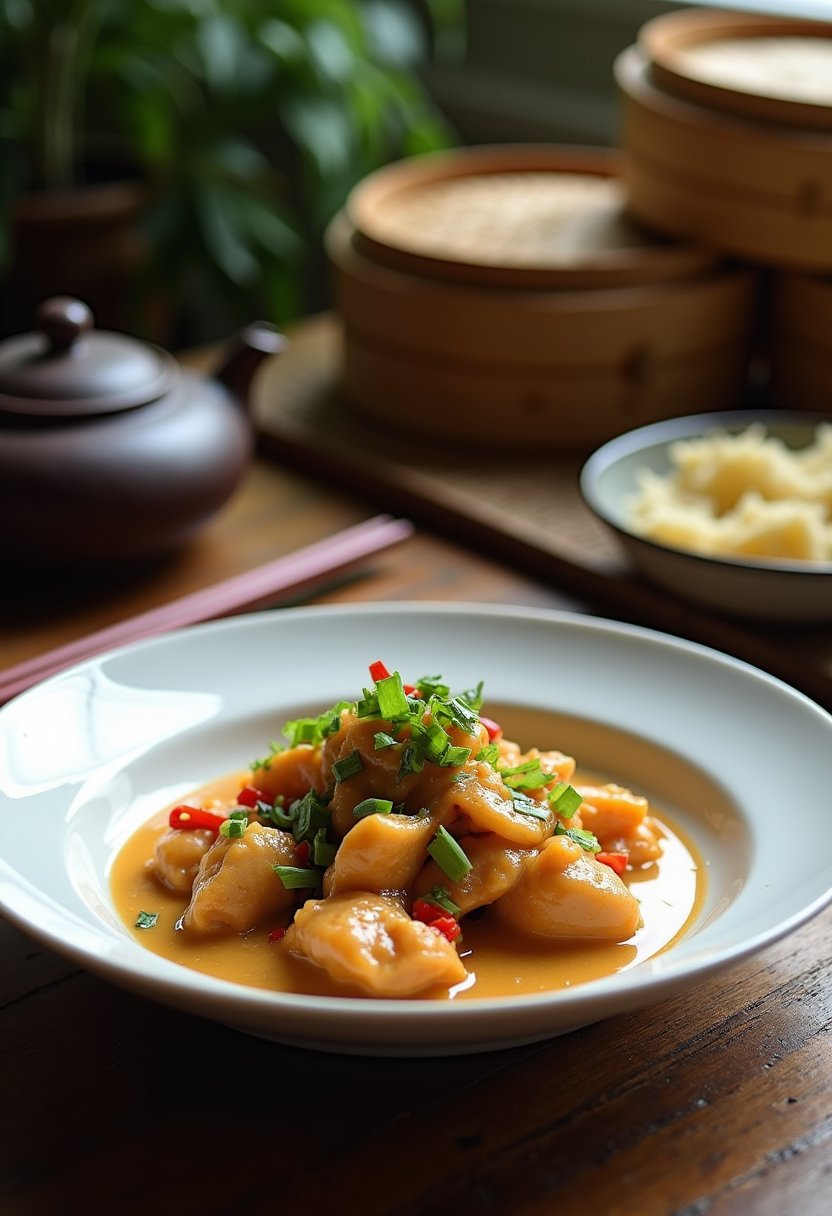
Picture this: a steaming bowl of Chinese Coconut Chicken, fragrant with the aroma of creamy coconut milk mingled with a hint of ginger and garlic. To truly savor this dish, consider pairing it with a side of fluffy jasmine or basmati rice. The delicate grains beautifully soak up the rich coconut sauce, making each bite a comforting delight.
For an added crunch and a pop of color, toss in a quick sauté of vibrant bell peppers or a handful of snap peas. Their natural sweetness and crisp texture complement the tender chicken perfectly. If you’re feeling adventurous, garnish with a sprinkle of toasted sesame seeds or a handful of fresh coriander to elevate the visual appeal and add a nutty, fresh note.
A chilled glass of white wine, perhaps a Riesling or a light Sauvignon Blanc, pairs excellently, balancing the dish’s richness. Or, for those teetotalers among us, a refreshing glass of iced green tea will do just the trick!
Frequently Asked Questions
Can I use chicken thighs instead of chicken breasts?
Absolutely! Chicken thighs are a fantastic alternative to chicken breasts. They offer a juicier and more flavorful option. Just keep in mind that thighs may require a slightly longer cooking time. Ensure they reach an internal temperature of 75°C (165°F) for safe consumption.
How can I make this dish ahead of time?
The beauty of this recipe is its flexibility. You can prepare the coconut chicken up to the point of cooking, then cover and store it in the refrigerator for up to 24 hours. When you’re ready to feast, simply proceed with the cooking steps. The flavors meld beautifully over time, making the dish even more delectable.
What can I do if my sauce is too thin?
Fear not, sauce savior! If your sauce is looking a bit runny, a simple cornstarch slurry can save the day. Mix 1 tablespoon of cornstarch with 2 tablespoons of water, then gradually whisk it into the simmering sauce. Keep stirring until the sauce reaches your desired thickness. Remember, a little goes a long way!
How should I store and reheat leftovers?
Leftovers, if there are any, should be stored in an airtight container in the refrigerator for up to 3 days. To reheat, place the chicken and sauce in a saucepan over medium heat, stirring occasionally, until it’s heated through. Alternatively, you can use the microwave, but be sure to cover the dish to prevent splatters.
Can I substitute coconut milk with something else?
Certainly! If you’re not a fan of coconut milk or have dietary restrictions, you can use almond milk or cashew cream as alternatives. However, keep in mind that these substitutions may slightly alter the flavor profile. For a more coconutty punch without the milk, try adding a few drops of coconut extract to the dish.
Final Thoughts
And there you have it, a delightful foray into the world of Chinese Coconut Chicken, a dish that dances on the palate like a graceful dragon weaving through the flavors of the East. With its creamy coconut sauce, tender chicken, and a hint of ginger and garlic, this recipe offers a taste of comfort wrapped in exotic allure. Whether you’re serving it over a bed of fluffy jasmine rice or enjoying it alongside a medley of steamed vegetables, the versatility of this dish ensures it will become a favorite in your culinary repertoire.
Remember, the secret to nailing this recipe is in the balance of flavors—sweet, savory, and just a touch of umami. Feel free to experiment with the coconut milk’s creaminess or the level of spice to suit your personal taste. And as you savor each bite, know that you’ve embraced a piece of culinary tradition that brings warmth and joy to any dining table. Happy cooking!


Leave a Reply