

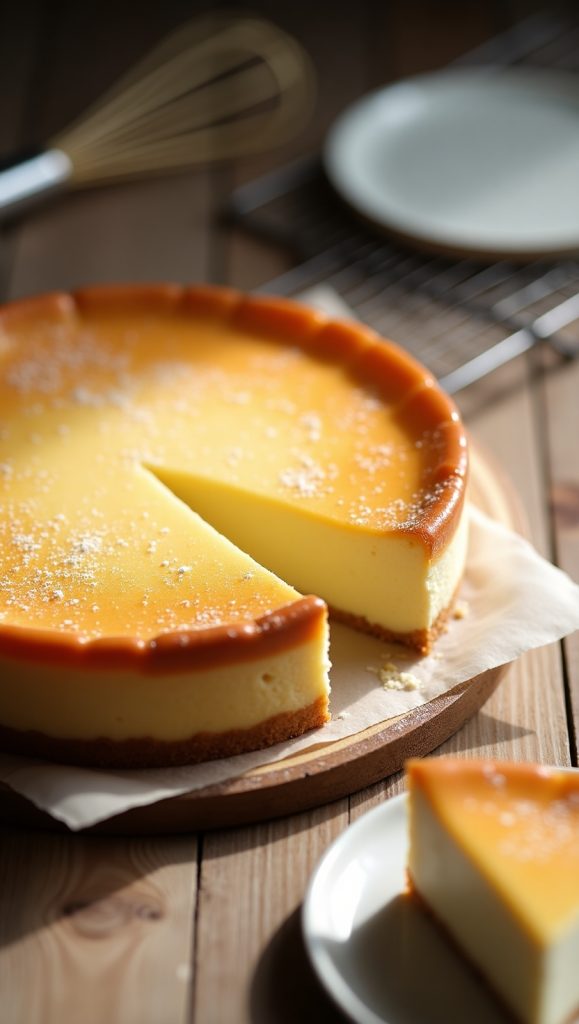
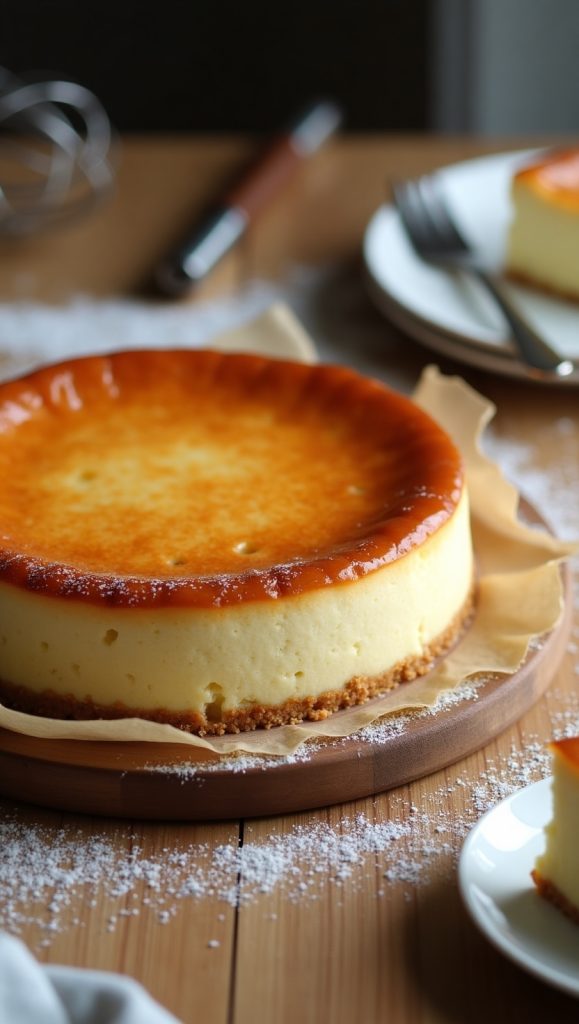
Japanese cheesecake, also known as “soufflé cheesecake,” is a light, airy, and delicately sweet dessert that combines the creaminess of traditional cheesecake with the fluffiness of a soufflé. Originating from Japan, this dessert has become a global sensation for its unique texture and irresistible taste. If you’ve ever seen videos of jiggly Japanese cheesecakes, you know the charm lies in their soft, pillow-like wobble.
In this blog post, we’ll walk you through the essentials of creating a perfect Japanese cheesecake. From understanding its origins to mastering the recipe and troubleshooting common pitfalls, this guide is your ultimate companion to baking a cheesecake that looks and tastes like a dream.
The Origins of Japanese Cheesecake
Japanese cheesecake first gained popularity in the 1960s when a Japanese chef, Tomotaro Kuzuno, visited Germany and discovered German-style cheesecakes. He adapted the recipe to suit Japanese palates, which favor lighter and less sugary desserts. By incorporating whipped egg whites and reducing the overall sweetness, the Japanese version was born, offering a less dense and more ethereal cheesecake experience.
The texture is achieved by a delicate balance of cream cheese, eggs, and cake flour, and it is baked using a water bath to keep the cake moist and prevent cracking. Today, it’s a beloved treat worldwide and is often a staple in Japanese bakeries and cafés.
Why You’ll Love Japanese Cheesecake
- Light and Airy Texture: Unlike traditional cheesecakes, which are rich and dense, Japanese cheesecake is fluffy and melts in your mouth.
- Balanced Sweetness: It’s not overly sweet, making it a perfect dessert for those who prefer subtler flavors.
- Customizable: You can enhance it with various flavors like matcha, yuzu, or even chocolate for a twist.
- Visually Stunning: Its iconic jiggle and golden-brown top make it an Instagram-worthy dessert.
The Recipe: Japanese Cheesecake
Here’s a tried-and-tested recipe to create your own cloud-like Japanese cheesecake.
Ingredients
For the cheesecake:
- 200g (7 oz) cream cheese, softened
- 50g (1/4 cup) unsalted butter, softened
- 100ml (1/2 cup) whole milk
- 6 large eggs, separated
- 100g (1/2 cup) granulated sugar
- 60g (1/2 cup) cake flour
- 20g (2 tbsp) cornstarch
- 1 tsp vanilla extract
- 1 tsp lemon juice
- 1/4 tsp cream of tartar (optional, for stabilizing egg whites)
For the water bath:
- Boiling water
- Aluminum foil to wrap the pan
Equipment
- A 6 or 7-inch springform or round cake pan
- Mixing bowls
- Hand or stand mixer
- Sieve
- Whisk
- Spatula
- Large roasting pan (for the water bath)
- Parchment paper
Instructions
1. Prepare the Pan
- Preheat your oven to 150°C (300°F).
- Line the bottom and sides of your cake pan with parchment paper. Wrap the outside of the pan with two layers of aluminum foil to prevent water from seeping in during the water bath.
2. Make the Cream Cheese Mixture
- In a heatproof bowl, combine the cream cheese, butter, and milk. Place the bowl over a pot of simmering water (double boiler method) and whisk until smooth. Let it cool slightly.
- Whisk in the egg yolks, one at a time, followed by the vanilla extract and lemon juice. Sift the cake flour and cornstarch into the mixture, then gently fold until no lumps remain.
3. Whip the Egg Whites
- In a separate clean, grease-free bowl, beat the egg whites with cream of tartar using a mixer on medium speed. Gradually add the granulated sugar, a tablespoon at a time, and continue beating until soft peaks form. The peaks should hold their shape but curl at the tip.
4. Combine the Mixtures
- Gently fold one-third of the whipped egg whites into the cream cheese mixture to lighten it. Then, carefully fold in the remaining egg whites in two additions, ensuring you don’t deflate the batter.
5. Pour and Smooth
- Pour the batter into the prepared cake pan and gently tap it on the counter to release any large air bubbles.
6. Prepare the Water Bath
- Place the cake pan inside a larger roasting pan. Pour boiling water into the roasting pan until it reaches about halfway up the sides of the cake pan.
7. Bake the Cheesecake
- Bake in the preheated oven for 60–70 minutes, or until the top is golden brown and a skewer inserted into the center comes out clean. Turn off the oven and leave the cheesecake inside with the door slightly ajar for 15–20 minutes to prevent sudden shrinkage.
8. Cool and Serve
- Remove the cake from the oven and let it cool to room temperature. Then, refrigerate for at least 4 hours or overnight for the best texture.
- Carefully remove the cheesecake from the pan, peel off the parchment paper, and serve.
Tips for Success
- Room Temperature Ingredients: Ensure all ingredients, especially cream cheese and eggs, are at room temperature for a smoother batter.
- Proper Folding Technique: Use a gentle folding motion to incorporate the egg whites, as overmixing will deflate the batter.
- Water Bath Essentials: Wrapping the pan in foil is crucial to prevent water from leaking in. This keeps the cheesecake moist and prevents cracking.
- Don’t Rush Cooling: Allowing the cake to cool gradually in the oven helps maintain its structure and prevents it from collapsing.
Variations to Try
- Matcha Japanese Cheesecake: Add 1–2 teaspoons of matcha powder to the batter for an earthy green tea flavor.
- Chocolate Japanese Cheesecake: Replace 20g of cake flour with cocoa powder for a chocolaty twist.
- Citrus Burst: Add zest from lemons, limes, or oranges for a bright, tangy note.
Troubleshooting Common Issues
- Why did my cheesecake crack? This often happens if the oven temperature is too high or the water bath was insufficient. Ensure you bake at a consistent low temperature and use enough water.
- Why is my cheesecake dense and not fluffy? This can occur if the egg whites were overwhipped or underwhipped. Aim for soft peaks and fold them gently into the batter.
- Why did my cheesecake shrink? Sudden temperature changes can cause shrinking. Always let the cake cool gradually in the oven before removing it.
Serving and Pairing Suggestions
Japanese cheesecake is delightful on its own, but you can elevate it with these serving ideas:
- Fresh Berries: Serve with a side of strawberries, raspberries, or blueberries for a pop of color and flavor.
- Whipped Cream: Add a dollop of lightly sweetened whipped cream for extra indulgence.
- Powdered Sugar: Dust the top with powdered sugar for a simple yet elegant touch.
- Tea or Coffee: Pair with matcha tea, green tea, or a freshly brewed cup of coffee.
Nutritional Information (Per Serving)
- Calories: 200
- Protein: 6g
- Fat: 12g
- Carbohydrates: 18g
- Sugars: 12g
Nutri-Score: B (Low sugar, moderate fat, and high protein content)
Final Thoughts
Japanese cheesecake is the perfect dessert for anyone who loves a delicate balance of flavor, texture, and sweetness. Its airy, melt-in-your-mouth quality makes it a standout treat for any occasion. Whether you’re serving it for a special celebration or simply indulging in a homemade dessert, this recipe is sure to impress.
Now that you know the secrets to creating this heavenly dessert, it’s time to tie on your apron and get baking. The jiggle, fluff, and taste of this Japanese cheesecake are waiting for you to enjoy!


Leave a Reply